Operator advice
Making your campsite attractive: what makes people choose a campsite
What holidaymakers compare before booking a campsite, backed by figures: water, comfort, the pool, activities, the…
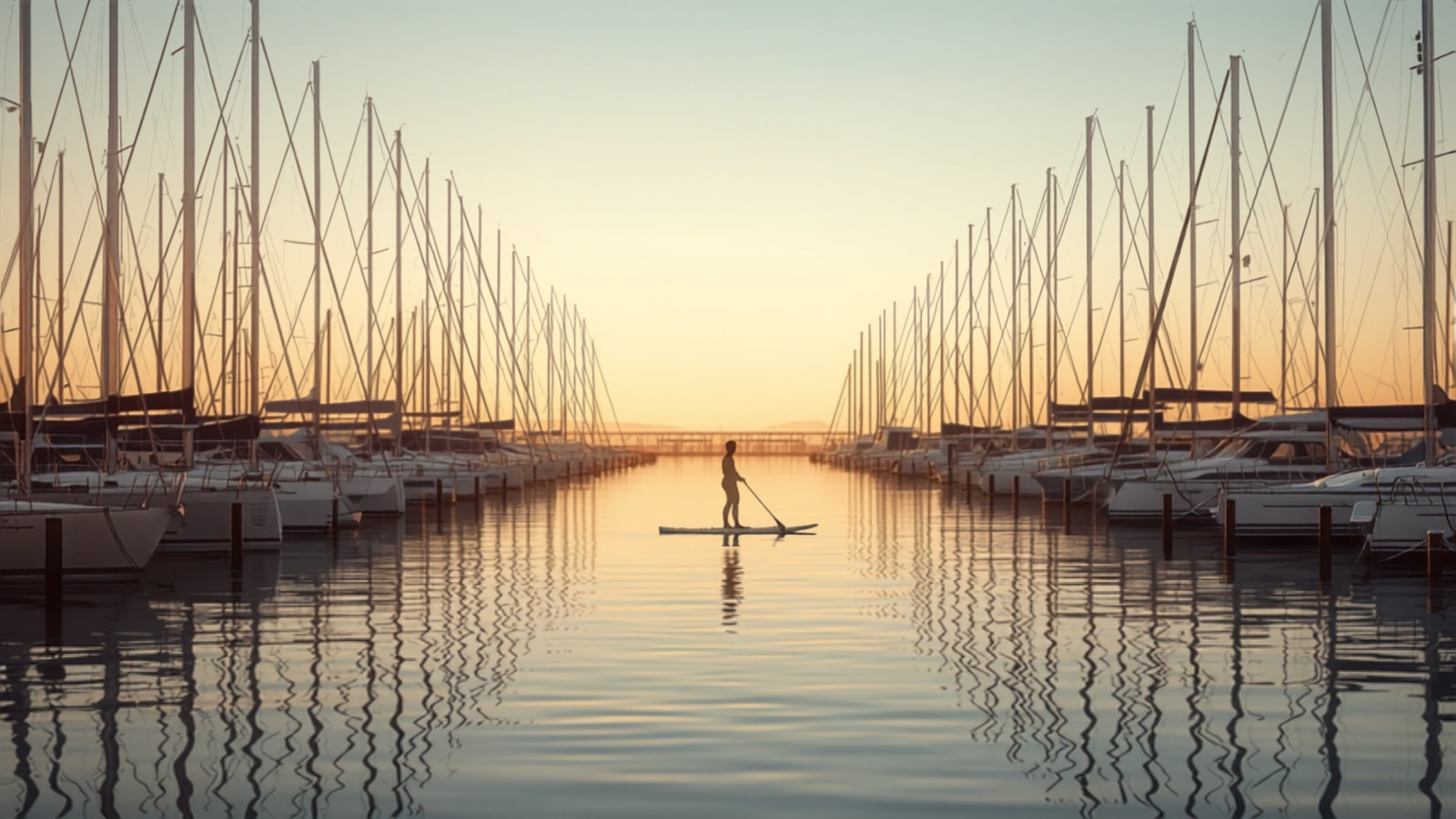
Six o’clock on a July evening, on the visitors’ pontoon of an Atlantic marina. Halyards clink against the masts, the air smells of salt and sunscreen, and a crew that has just moored steps ashore, dry bags over their shoulders. Before they even reach the shower, a question flies toward the harbor office: “What is there to do here?”
What follows depends on the answer: a one-night stopover settled at the counter, or a three-day stay that benefits the marina and the shops around it. Here is an overview of the services that make the difference, from the essential foundation to water activities open to people without a boat, with one common thread: making people want to stay moored longer.
For a long time, a marina was judged on engineers’ criteria: draft, catwalk width, power output of the bollards. These criteria are still necessary, but they no longer set much apart: among the 488 seaside marinas along the French mainland coast, the water, the power and the pontoon look much alike. What sets one stopover apart from another begins where the gangway ends: the shower, the shops, the coastal path, the atmosphere on the quay at dusk.
Crews plan their itineraries this way, in fact: nautical guides, online reviews, tips swapped from cockpit to cockpit. A berth is no longer a parking space, it is a gateway to a region. Harbor offices that have understood this think like destination managers, and this change of outlook shapes every decision that follows.
Few services make up for disappointing restrooms, and they are not a given: 7 to 8 marinas out of 10 have them. The hot shower after a passage is the first physical contact with your marina: constant cleanliness, truly hot water, long opening hours, simple access from the pontoons. A working laundry room completes the picture: after several days at sea, it changes a crew’s mood.
Next comes provisioning: fresh bread in the morning, ice, a convenience grocery, fuel without a complicated detour. When the marina cannot host everything, clear signage to the shops in town bridges the gap. Finally, wifi, which the Observatoire national des ports de plaisance ranks among the services being rolled out: weather files, calls to loved ones, remote work from the saloon for crews extending the season. A connection that reaches the pontoons spares a lot of frustration.
A crew heading ashore almost always carries something along: bags, foul-weather gear, equipment they want to leave neither in the cockpit nor carry all day. Lockable storage near the harbor office solves this practical problem, and also helps crews at anchor, who come ashore by dinghy and have no base on land.
Gentle mobility then widens the range of action, very unevenly: bike rental serves six marinas out of ten on the Atlantic coast, one in five on the Mediterranean. Rental or self-service bikes transform the geography of a stopover: the neighboring village’s market, the viewpoint at the end of the point, the slightly remote boatyard all become reachable without a car. Boaters who arrive by bike gladly extend their day there, and the town’s shopkeepers are among a harbor office’s best allies.
The blind spot depends on the coast: three Mediterranean marinas out of four already offer a commercial water activity, against three out of ten on the Atlantic coast. Everywhere, everything revolves around the live-aboard boat, even though the quays also welcome people who do not own one. The children of a crew on stopover, the partner left on the dock, visitors strolling along the pontoons, local residents: all of them look at the water without being able to touch it. Paddleboarding and kayaking close that gap: launching from a slipway or a low pontoon, beginner-friendly handling, sailing in a dedicated area of the sheltered water body, away from channels and traffic, or along the shoreline. Defining that area falls to the authority vested with harbor policing powers, which polices the water body.
That leaves the question of operations: a harbor office is not meant to run a water sports rental base. This is where self-service fits in naturally. A self-service locker station like those from Wave-Up holds up to eight boards (paddleboards, surfboards or a mix of both), with eight lockers for accessories (life jacket, leash, waterproof pouch) and eight clips for paddles; boards, paddles and life jackets are not included: you equip the station with your own gear, whose dimensions the quote checks. Customers book and pay online via the station’s QR code, receive a personal code and help themselves, with no counter, during the slots you decide to open, in daytime only: division 240 limits beach craft, including recreational paddleboards under 3.50 meters, to daytime sailing within 300 meters of a shelter. The solar panels and battery, built in as standard, free the station from any power connection, and the state of the lockers is monitored remotely. Occupancy permits and the marking of the sailing area remain your responsibility: nobody occupies the public domain without a permit, and entrusting the site to a third party for an economic activity requires a prior selection process.
A producers’ market along the quay, a concert at sunset, a harbor festival with local associations, an exhibition on maritime heritage, a paddleboarding introduction for local children, supervised by a qualified instructor whenever it is paid: each event gives a reason to stay one more day, and draws to the harbor basins visitors who would never have come.
These events also build the bond between the marina and its town. A harbor that lives all year round becomes part of residents’ daily lives instead of remaining a world apart behind its gate. Some managers go further and rethink their entire site inspired by the water sports base of the future: smooth access, digital services, a water body open to as many people as possible.
The point is simply put: everyone who sets foot on your quays has a specific expectation, and every expectation met lengthens the time spent there. The table below matches the three main profiles with the services that matter to them first.
| Profile | Main expectation | Service that meets it |
|---|---|---|
| Year-round boater | A place to live around their boat | Year-round events, lockers for gear, pontoon life |
| Crew on stopover | An experience ashore worth the detour | Flawless foundation, bikes, storage, light water sports for the family |
| Visitor on land | Touching the water without owning a boat | Self-service paddleboarding, open events on the quays |
This reasoning applies to the marina itself as much as to its surroundings: an underused slipway, a paved apron, a plot at the edge of the water body can host the missing service. Our guide on making your land profitable details this siting logic, which can be scaled to a whole harbor basin.
The foundation first: clean restrooms with hot showers, easy access to supplies, wifi that reaches the pontoons. Next come the services that enrich time spent ashore: bikes, lockers, light water activities, events on the quays. A marina that is solid on the essentials and generous on the experience encourages guests to extend their stopover.
Self-service answers precisely this constraint. A self-service locker station handles booking, online payment and equipment handover with a personal code, available during the hours you define. The harbor office sets the framework (location, slots, rates) without tying up a staff member at the water’s edge for each rental; day-to-day upkeep of the fleet remains your responsibility.
Stations designed for outdoor use are placed on the ground, without foundations, and their solar panels and battery, built in as standard, let them run off the grid, with no connection or major works. It is up to you to choose a relevant location, near a slipway or a low pontoon, bearing in mind that such slipways are often lacking in Occitanie and the Sud region for lack of space; occupancy permits remain your responsibility.
Start by observing your quays: who comes ashore, who waits, who leaves for lack of a suitable activity? Cross-check these observations with tourist numbers in your town. For a self-service water sports rental, a free online profitability simulator lets you put figures on your project before any commitment.
A successful stopover leaves a precise memory: that of a quay where you wanted to stay. Spotless restrooms, reliable wifi, storage, bikes, a water body open to all and lively quays together make up that memory. If you are exploring light self-service water sports for your harbor basin, the Wave-Up team answers every quote request within 24 business hours. Happy stopovers.

What holidaymakers compare before booking a campsite, backed by figures: water, comfort, the pool, activities, the…
What a campsite's revenue is made of, what accommodation accounts for, what your campers spend elsewhere and five levers…
Campsite entertainment ideas for adults, families and evenings, ranked by the effort they require from the team, with the rules to know before…
Estimate the revenue of a self-service rental station on your site, then request your free quote.
