
“We love the Wave-Up concept. Our guests can use the equipment entirely on their own, a real plus for the resort.”
Léa, manager, Camping Maïana Resort, La Grande-Motte
See the station at Camping Maïana ResortSurf schools and watersports clubs
A Wave-Up station rents out your gear on a self-service basis while the instructors are out on the water, early in the morning or at the end of the day. Your students come back to practise on their own, at your spot.
The problem
A surf school lives by its lessons and the tides. The schedule is packed into a few slots: the morning when the swell is clean, midday for group lessons, late afternoon. Between those slots, the boards stay in the storeroom or under the tarpaulin. An instructor who is out on the water cannot run a rental counter, and opening the storeroom two hours a day for three rentals does not pay a seasonal worker.
Your students, on the other hand, want to carry on. After a few lessons they feel ready to practise alone at a spot they already know, but they have no board. With nothing in front of your school, they rent elsewhere or give up. You lose twice: the day's rental, and the surfer who would have come back next season.
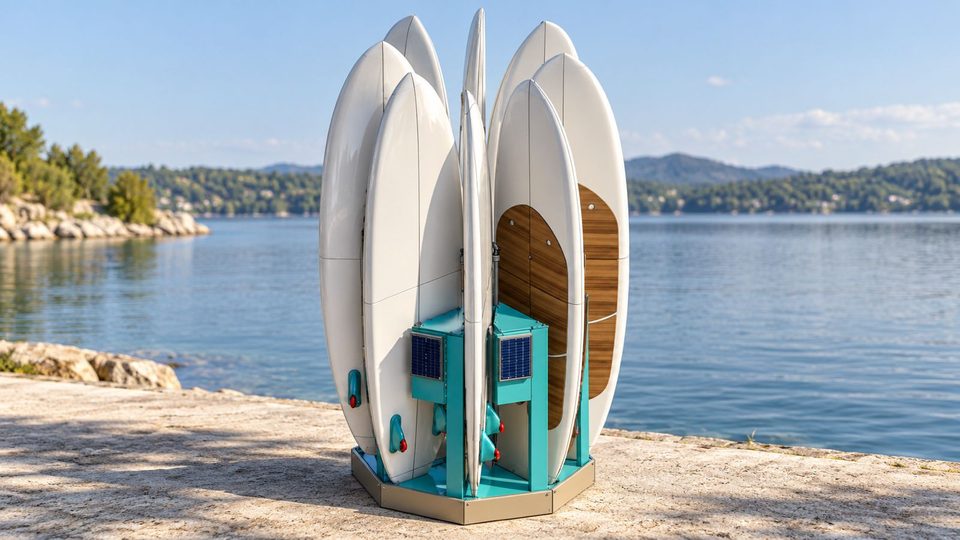
The Wave-Up station is a self-service rental locker that stands next to your storeroom, on about 1.30 × 1.30 m of floor space, or about 1.7 m², and is 1.80 m high without boards and weighs about 180 kg when empty. Eight slots take surfboards or stand up paddleboards, eight lockers hold the vest, the leash and the waterproof pouch, and eight clips hold the paddles. The structure is powder-coated 316 stainless steel, a marine grade, and the eight electric strikes withstand sea fog. A locker opens only with the code of the current booking.
No connection is needed: solar panels and a 12 V 15 Ah battery come built in as standard, consumption is around 3 W and the station keeps going for several days without sun. The built-in 4G modem lets you monitor the state of the lockers remotely. The user scans the QR code displayed on the station, books 1 h, 2 h, 4 h or 8 h in their phone's browser, pays by card, opens their locker with a code or QR code, then puts the board back in the same place on return. You never leave your group.
What it changes
The gear is rented out at the times when the school is not teaching. Payment is collected online, without anyone leaving the water.
After a course, they come back to practise independently, in front of your school, with your boards. They stay your customers instead of becoming those of a neighbouring rental business.
The boards wait locked up, each in its own locker, with the leash and the vest alongside. No more trips back to the storeroom: the locker for watersports equipment stays at the water's edge.
The dividing line is paid supervision. Article L212-1 of the French Code du sport reserves to holders of a diploma, a vocational qualification or a certificate of qualification entered in the national register of professional certifications the right to teach, lead or supervise a physical or sporting activity, or to coach those who take part in it, for pay, whether as a main or secondary occupation, and whether regularly, seasonally or occasionally. It is this text that requires a qualified instructor, BPJEPS or another registered qualification, for your group lessons and courses.
Renting out a board is not supervising. Rental falls under the hire of things defined in Article 1709 of the French Civil Code: you let someone have the use of a thing for a certain time, in return for a price. No qualification is required for that act alone. The line shifts as soon as you charge for something other than the use of the equipment: a paid technical briefing, an accompanied launch or a session debrief become supervision again, and Article L212-1 takes over.
The penalty is not symbolic. Article L212-8 of the Code du sport punishes with one year's imprisonment and a fine of €15,000 anyone who performs the duties of an instructor or sports educator for pay without the required qualification, as well as anyone who employs a person who lacks it. Article L212-11 also requires each paid educator to declare their activity to the administrative authority, and Article L212-12 punishes failure to declare with the same penalties.
On the ground, the station makes the separation clear: your instructors teach, the station rents, and no one mixes the two up. Students who want to come back on their own find a board in front of your school rather than at the far end of the beach. For what they should know before heading out independently, see our guide to getting started with surfing in France and, if you operate on the Hérault coast, our page on surfing on the Mediterranean in the Hérault. The details of how it works are on the page about self-service surfboard rental.
Economics and installation
You buy the station, delivered as a kit, price on quote; Wave-Up then takes care of booking, payment and after-sales service. You start with your own gear if its dimensions are suitable, which the quote checks. Manufacturer's warranty of 2 years, parts and labour, excluding vandalism.
Installation needs no connection: solar panels, a 12 V battery and a 4G modem are built in. A second station for a second beach gets a 5% discount. The quote is free and without obligation, and Wave-Up replies within 24 working hours.
Your school is already an establishment where physical or sporting activities take place, and the station is installed within its grounds. The obligations that bind you today continue to apply: Article L322-2 of the Code du sport requires hygiene and safety guarantees defined by regulation, and Article R322-4 requires a first aid kit, a means of communication to raise the alarm quickly with the emergency services, and a rescue organisation chart displayed with the addresses and numbers of the people and bodies who may step in.
Article R322-5 requires the display, in a place visible to all, of your educators' diplomas and qualifications and their professional cards, the applicable safety rules and the certificate of the insurance policy. Decree no. 2025-435 of 16 May 2025 added to that article the display of information on the channels for reporting violence and abuse; establishments had six months to comply, that is by 19 November 2025 at the latest, and the poster goes up in A3 format. This notice belongs where your customers pass, so often a few metres from the station.
Your insurance deserves a second look before you open the rental service. Article L321-7 of the Code du sport makes running the establishment conditional on a policy covering your civil liability, that of your teachers and of any employee, and that of the people habitually or occasionally admitted to the establishment to take part in the activities taught there. A user who rents a board without taking a lesson does not automatically fall into that last category. Have the self-service rental written into your policy rather than assuming it is covered.
As for the equipment handed over, the Civil Code shares out the roles. Article 1719 makes the lessor responsible for delivering the thing and keeping it in a condition fit for the use for which it is let: the station locks, opens and records rentals, but it does not judge the condition of a board between outings; that check remains your job, as with your loan equipment. Article 1732 makes the hirer liable for damage and loss occurring during their use, unless they prove it happened without their fault. Include both articles in your rental terms.
One recent point to watch: Article L322-2-1 of the Code du sport, created by law no. 2026-725 of 3 August 2026 and in force since 5 August 2026, leaves it to a decree of the Conseil d'État to set the conditions under which the managers of establishments where one or more sporting activities take place declare their activity to the administrative authority. The establishment declaration had been abolished by Article 49 of law no. 2014-1545 of 20 December 2014, which repealed the former Article L322-3. If you have opened your school since then, follow the publication of this decree.
They installed it
“We love the Wave-Up concept. Our guests can use the equipment entirely on their own, a real plus for the resort.”
Léa, manager, Camping Maïana Resort, La Grande-Motte
See the station at Camping Maïana Resort
“A top-quality installation and zero management on our side. Our guests book their equipment in two clicks, it's great.”
Camille, manager, Camping Palmira Beach, Vendres
See the station at Camping Palmira Beach
“A modern service that people really like. The paddleboards are gone first thing in the morning, we want more.”
Julie, manager, Camping Roucan Plage, Vias
See the station at Camping Roucan Plage
“Our guests love it. The Wave-Up locker has transformed access to watersports on our beach. A real plus for the campsite.”
Savinka, manager, Camping Nouvelle Floride, Marseillan-Plage
See the station at Camping Nouvelle Floride
Camping Méditerranée Beach Garden, Marseillan-Plage
See the station at Camping Méditerranée Beach Garden
Camping La Tamarissière, Agde
See the station at Camping La TamarissièreFrequently asked questions
No. Article L212-1 of the Code du sport covers teaching, leading, supervising and coaching for pay, not the provision of equipment, which falls under the hire of things in Article 1709 of the Civil Code. Your lessons and courses, however, remain subject to qualification: Article L212-8 punishes supervising without it with one year's imprisonment and a fine of €15,000. As soon as you charge for a briefing or an accompanied launch, you are back in supervision.
The station takes 8 surfboards or stand up paddleboards, each with its locker for the vest, the leash and the waterproof pouch, and its clip for the paddle. The dimensions of your current fleet are checked when you request a quote, length and thickness included. The boards, paddles and vests remain yours: the station does not supply them.
There is no way to say in advance. Article L321-7 of the Code du sport requires a policy covering your civil liability, that of your teachers and employees, and that of the people admitted to the establishment to take part in the activities taught there. A hirer acting independently is not necessarily within that definition. Ask your insurer to write the self-service rental into the policy before the first booking.
Each slot is closed by an electric strike that withstands sea fog, and a locker opens only with the code of the current booking. The rest of the time, everything is locked. The structure is powder-coated 316 stainless steel, the marine grade. The state of the lockers is monitored remotely thanks to the built-in 4G modem.
They scan the QR code displayed on the station, which opens the booking page in their phone's browser, with nothing to install. They choose 1 h, 2 h, 4 h or 8 h, pay by card and receive their code. The locker opens, they take the board, the leash and the vest, then put everything back in the same place on return. You do not have to step in at any point.
Article 1732 of the Civil Code makes the hirer liable for damage and loss occurring during the rental, unless they prove it happened without their fault. Article 1719 leaves you, as lessor, responsible for delivering equipment fit for the intended use: the condition of the boards is checked between outings, and the station does not do that for you. Your rental terms settle the rest; the manufacturer's warranty of 2 years covers the station itself, parts and labour, excluding vandalism.
You do. You buy the station, you own it and you set your prices. The durations offered are 1 h, 2 h, 4 h and 8 h. Wave-Up provides the app, manages the rentals and handles after-sales service, while maintenance of the station remains your responsibility. The details are on the pricing page.
Yes. The 8 slots take surfboards or stand up paddleboards, and the 8 clips take the paddles. How they are divided between your sections is decided at the quote, depending on your stretch of water and your season. Kayaks are not in the standard range: depending on configuration, on quote.
Not for rental alone: under Article L212-4 of the Code du sport, the provision of equipment is not treated as teaching or as supervision for pay. Lessons and supervised outings for pay remain reserved to holders of a diploma or qualification (Article L212-1). The obligations of an establishment for physical and sporting activities, such as civil liability insurance and displays, may however apply: have them confirmed by the departmental youth, engagement and sports service. A Wave-Up station rents out your boards outside lessons; it does not replace your instructors.
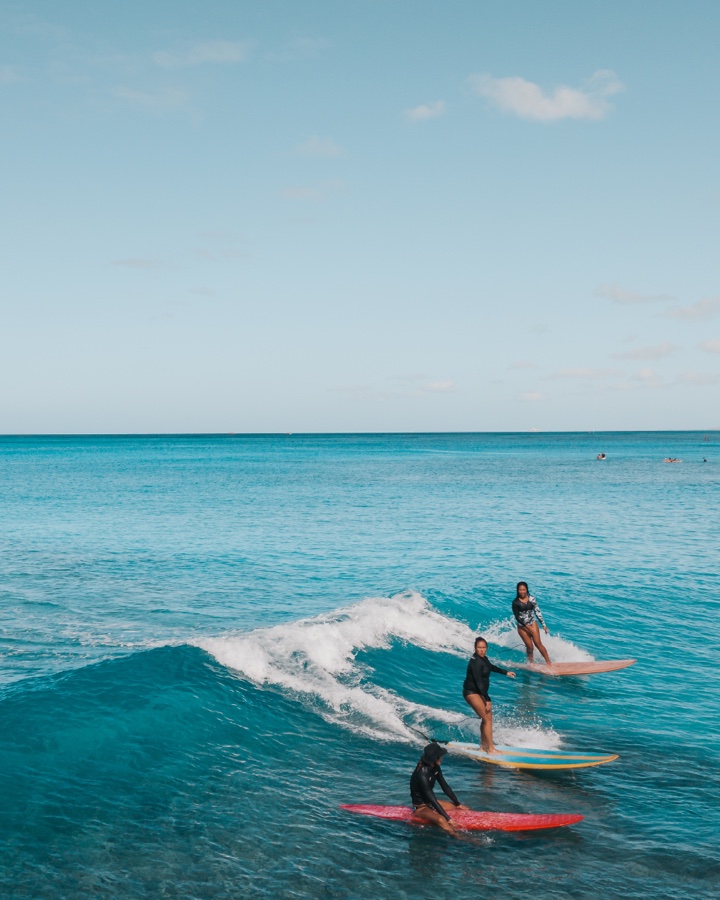
Why the Mediterranean swell is irregular, when the waves come, where to surf in the Hérault and which priority and safety rules…
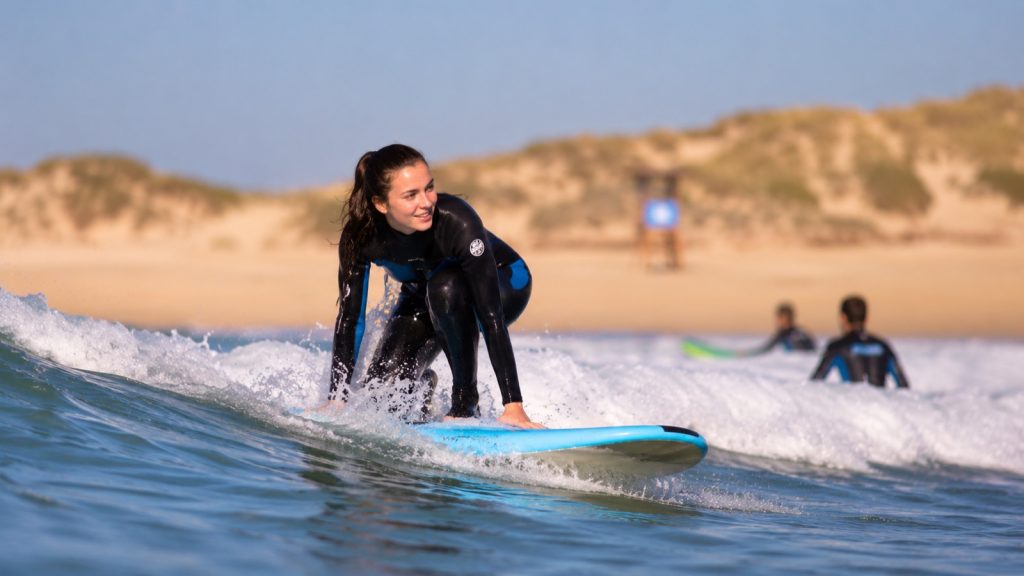
Where to learn, which board to choose, how to read the ocean and respect the line-up: the guide to your first surf in France, from foam…
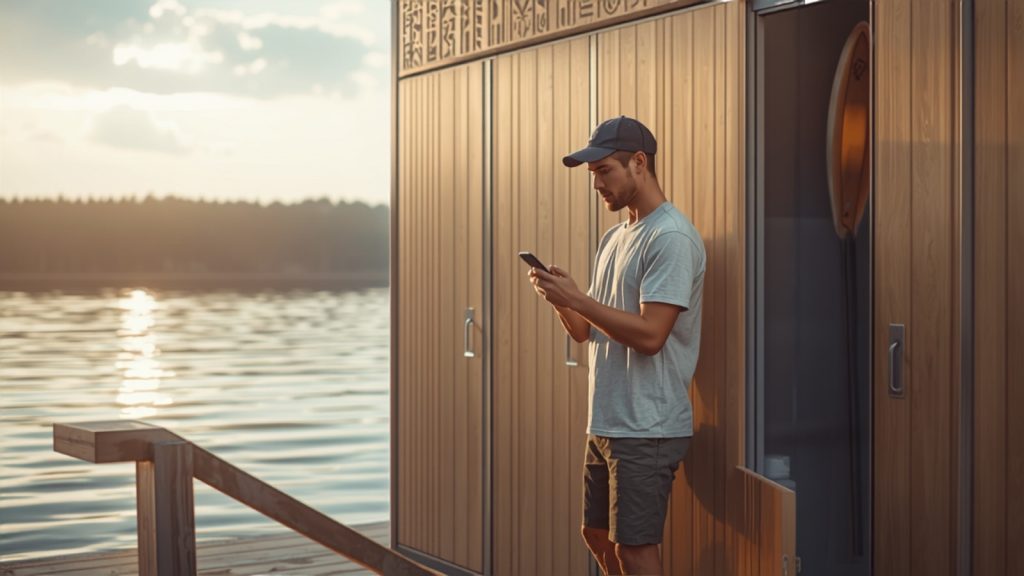
Civil liability insurance, simple rental or supervision, self-service, signage, rescue, life jackets: what the texts require of the operator who rents…
Request a free quote with no obligation: Wave-Up replies within 24 working hours.
